Customs Clearance Services India: Complete Guide to Import, Export, Process & Documentation
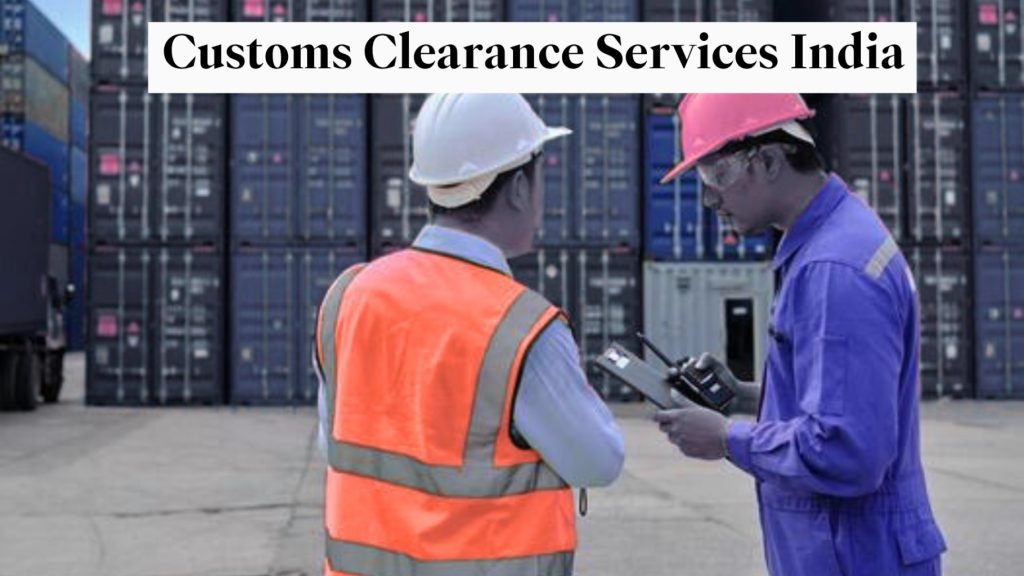
Customs Clearance Services India: Complete Guide to Import, Export, Process & Documentation International trade does not end when goods reach an Indian port or airport. Before imported cargo can enter the domestic market, or exported goods can leave the country, the shipment must complete the applicable customs formalities. For businesses, customs clearance can involve classification, documentation, valuation, duty calculation, regulatory checks, examination and coordination with multiple authorities and logistics partners. A small error in any of these areas can result in queries, additional costs or delays. This is why choosing reliable customs clearance services India businesses can depend on is an important part of international logistics. At IGF Express, we approach customs clearance as part of the wider movement of goods rather than as an isolated paperwork exercise. Our focus is on helping importers and exporters prepare documentation correctly, understand the clearance process and coordinate customs with freight and delivery requirements. This guide explains how customs clearance works in India, the documents involved, common problems and what businesses should consider when selecting a customs clearance partner. What Are Customs Clearance Services? Customs clearance is the process of completing the formalities required by Indian Customs for goods entering or leaving the country. For imports, the process generally involves filing the required import declaration, assessment of duties and taxes, examination where required and obtaining permission for release of the goods. For exports, the exporter or authorised representative submits the required declaration and supporting documents, completes applicable customs procedures and obtains clearance for the goods to leave India. The Customs Act, 1962 provides the legal framework for these processes. For example, Section 46 requires importers to make an entry for imported goods through a Bill of Entry, subject to the applicable procedures and exceptions. Professional customs clearance services India therefore involve much more than submitting documents. A competent customs partner needs to understand classification, valuation, applicable notifications, regulatory requirements and the practical coordination required to move cargo through the port or airport. Also Read: What Are Customs Clearance Services and Why Are They Important for International Shipping? Why Customs Clearance Is Important for International Trade Customs clearance determines whether goods can legally enter or leave India. For an importer, incorrect classification or incomplete documentation can affect duty assessment and delay cargo release. For an exporter, errors in the export declaration, documentation or regulatory compliance can delay shipment departure and may affect access to applicable export benefits or procedures. Customs also plays an important role in enforcing India’s import and export regulations. Depending on the goods, Customs may work with other government agencies where additional regulatory checks are required. For this reason, customs planning should begin before cargo reaches the port. Who Needs Customs Clearance Services? Any business involved in commercial imports or exports may need customs clearance support. This includes: Manufacturers importing raw materials Businesses importing finished products E-commerce and commercial traders Exporters Distributors Machinery importers Project cargo companies Businesses relocating production equipment Companies handling international samples or specialised cargo The level of support required depends on the shipment and the import or export regulations applicable to the goods. Businesses with regular international shipments can particularly benefit from working with an experienced customs and logistics partner because the same documentation and compliance issues often arise repeatedly. Also Read: What Are Customs Clearance Services in Global Shipping? How Do Customs Clearance Services Work in India? The exact process varies depending on the type of goods, mode of transport, customs location, applicable regulations and whether the shipment is imported or exported. However, most commercial shipments follow a similar sequence. Step 1 – Document Preparation The process starts before the cargo reaches customs. The importer or exporter prepares the commercial invoice, packing list, transport documents and other supporting documents relevant to the shipment. The information should be consistent across the documents. Product description, quantity, value, country of origin, model number and other important details should match the actual cargo. For regulated products, additional certificates, licences or permissions may also be required. Step 2 – Customs Declaration The required customs declaration is submitted electronically through the applicable customs system. For imports, this normally involves a Bill of Entry. For exports, the exporter generally files a Shipping Bill or Bill of Export depending on the applicable procedure. The declaration provides Customs with information required to assess the goods and determine whether they meet the applicable requirements. Correct classification and accurate descriptions are particularly important at this stage. Step 3 – Duty Assessment & Payment Once the declaration is processed, the applicable customs duties and taxes are assessed according to the classification, customs value, origin and applicable notifications or exemptions. The final amount can vary significantly between products. Factors may include: HS classification Assessable value Country of origin Basic Customs Duty Applicable exemptions IGST Social Welfare Surcharge, where applicable Other applicable duties or levies Importers should not calculate duty based only on the product’s purchase price. Customs valuation rules determine how the assessable value is established. Current CBIC tariff and notification information should be checked for the specific product because rates and exemptions can change. CBIC continues to issue customs notifications and amendments during 2026. Step 4 – Customs Inspection (When Required) Not every shipment necessarily undergoes the same level of physical examination. Customs systems use assessment and risk-management mechanisms to determine how consignments are processed. Where examination or verification is required, Customs may inspect the cargo and compare it with the declaration and supporting documents. The importer or exporter may need to provide clarification or additional documentation if discrepancies are identified. Accurate documentation before filing can make this stage much easier. Step 5 – Customs Clearance Approval Once the required assessment, examination and compliance checks have been completed, Customs allows the shipment to proceed according to the applicable procedure. For imports, this leads to clearance for home consumption or another permitted customs procedure. For exports, clearance allows the goods to proceed for export subject to the applicable requirements. The exact terminology and electronic status depend on the
Everything You Need to Know About the Customs Clearance Process and Hiring a CHA Agent
Everything You Need to Know About the Customs Clearance Process and Hiring a CHA Agent International trade may be complicated and time-consuming; however, companies that import or export goods should be aware of one of the most important stages of the import and export customs clearance process. The process of importing or exporting goods across international borders is known as customs clearance, which must be completed to do so legally. This can be an overwhelming process, but with this blog, it will be simpler to get through. The preparation and management of the required customs documentation is an essential element of this process and includes such documents as the Commercial Invoice that would be needed to clear the goods through customs. Whether you are new to the world of international trade or just in need of a refresher on everything in terms of customs regulations to country-specific requirements, this blog will furnish you with all the information you need to successfully use customs clearance services. It will also assist you in learning about customs law and the importance of clearing customs, a definition of the customs clearance process, and the answer to the question of hiring a CHA Agent and the best customs broker. What Is Customs Clearance? The declaration of goods to customs when entering or leaving a country is known as customs clearance. This can be done by individuals or businesses. The goods that are liable to customs clearance are those items that are either being imported or exported, personal effects, and commercial shipments. Customs clearance is aimed at paying all the due duties and taxes on imports and ensuring that goods do not violate any regulations. In order to clear goods, companies or individuals are required to submit detailed records of the shipment, such as value, origin, destination, and contents. The role of import fees in this process is essential since they cover the expenses of duties and taxes, and they can be efficiently handled by using services such as IGF Express to enhance their efficiency and customer satisfaction. What is a CHA Agent? A CHA agent, or Customs House Agent, is a licensed practitioner in the customs clearance process on behalf of the importers and exporters. Consider them your official representatives at customs. They are familiar with the rules, the paperwork, and the people.In India, the Central Board of Indirect Taxes and Customs (CBIC) has to license a CHA agent. The license must be renewed on a regular basis, which means that a legitimate agent will be maintained with the latest rules. The typical activity of a CHA agent is as follows: Prepares documents for customs on behalf of Check all the documents before submission. Calculates the right amounts of duty to prevent underpayment and over payment. Interacts with the customs directly. Deals with inspections, disagreements, and appeals. Keeps files of all the transactions as stipulated by law. A best custom broker does not simply complete the forms; he/she provides you with practical advice on compliance, classification, and how to prevent typical issues. Their advice is professional in the sense that it is legally binding, since they are in charge of what they file. Customs Clearance Procedures in India for Export and Import Customs Clearance Process for Export Before acquiring an Importer Exporter Code (IEC) with the DGFT, exporters need to be issued a code. Choose a port and recruit the best custom broker to deal with formalities. Write important documents: commercial invoice, packing list, shipping bill, and certificate of origin, and electronically send the shipping bill through the Customs EDI system. The goods can be inspected by customs. Pay any duty that may be required to be paid on export, take the letter of export order, deliver goods to the carrier, and obtain your bill of lading or airway bill as evidence of export. Customs Clearance Process for Import The importers should also have a valid IEC. The shipping line makes the Import General Manifest (IGM) with customs. The Bill of Entry is then electronically filed by the importer or CHA. Customs determine the duty of importation depending on the HSN code and value declared. Make all the necessary payments, such as IGST and compensation cess. Goods can be subjected to physical examination on the basis of risk assessment. Upon clearance, customs issues the Out of Charge Order, and goods can be removed from the port or airport. According to the law, importers are expected to keep proper records of all transactions. The Advantages of engaging an agent of the Customs House Personal Clearance: There are guidelines that are given to ensure that the activities of the agents are controlled. Documents filled by the customs house agent should all have his name at the top, and he should not in any manner attempt to influence the actions of the customs officials. Additionally, he can only charge fees according to the approved rates. Professional Advice: The advice given by the agent is revered and closely followed by importers and exporters. The agents have to ensure that the advice given by them is correct and in compliance with the regulations and legal provisions as mentioned in the law. The client should be provided with the information in relation to the filing of papers. In case a client is not ready to abide by the legalities, this should be reported to the authorities by the agent. The customs house agents have a legal obligation to fulfill their customs clearance services in a just and admirable fashion. They also maintain the records and proper accounts of all the papers filed and the procedures they underwent. They help the clients get customs clearance speedily and efficiently. Also Read: What Are Customs Clearance Services and Why Are They Important for International Shipping? Do I have to have a customs house agent? If you are involved with the import and export of goods internationally, you must already be familiar with the various functions of a customs agent mentioned above. In simple
What Are Customs Clearance Services and Why Are They Important for International Shipping?
What Are Customs Clearance Services and Why Are They Important for International Shipping? Customs clearance services are a huge part of global shipping, and people often overlook them. Imagine you transported some goods, and then, gradually, they got lost along the way. Caught between two worlds, trapped in a web of sizes or regulations. Have you ever wondered why products from faraway countries always take so long to reach you, why some packages can cost exorbitantly, and why other companies can ship their products across the globe without any hassle? Now you know a little about the world of customs help, the unseen force behind global commerce: customs clearance solutions. In this blog, I will also take you through the context of customs clearance services, the need for them, and what to expect when working with customs clearance service providers. What are customs clearance services? Simply put, customs clearance services are the services that legally move your goods into or out of a country. However, it’s not just about stamps and signatures. It’s about ensuring that your goods meet all the requirements of the destination you’re visiting, such as taxes and local laws. Whenever something crosses a country’s border, the relevant authorities must ensure that it is safe, legal, and properly taxed. Customs clearance solutions act as an intermediary between those sending goods and customs officials, ensuring that nothing goes wrong to avoid detention, penalties, or confiscation. Think of them as interpreters, facilitators, and problem-solvers. They’ll help you process all your paperwork, understand trade laws, and navigate the constantly changing rules regarding imports and exports on your behalf. The Importance of Customs Clearance Customs clearance is not such an issue as a point of control. It directly affects the effectiveness, prices, and dependability of international trading activities. Ensures Legal Compliance Each country has its own unique customs, rights, tariffs, and import-export regulations. This will ensure that all regulations are followed properly, thus avoiding penalties, shipment seizures, or lawsuits due to awkward customs clearances. Eradicates Delays in the Supply Chain Incomplete documents or incorrect statements can result in cargo being held up at ports or borders. Obtaining proper customs clearance will save time and ensure goods arrive at the shipment destination on time, which is crucial when shipping time-sensitive or perishable goods. Directs and streamlines the Logistics Costs Delays, fines, storage charges, and last-minute documentation changes can increase logistics costs. When goods are cleared accurately, businesses can estimate the total cost of landed goods and budget better. Reduces Commercial risks and Compliance risks Customs agencies are expected to help control smuggling, counterfeiting, and the transportation of prohibited or dangerous goods. For businesses, this reduces reputational and operational risks and ensures safe standards and quality. Enhances the Competitiveness of the Business. With accurate customs clearance, companies experience faster deliveries, maintain stable costs, and streamline trading operations. These benefits increase customer confidence and enhance competitiveness in the global marketplace. Key Participants in the Customs Clearance Process It is the responsibility of the importers and exporters to give the right shipment details and adhere to the rules. Customs brokers or agents are the intermediaries, and they perform the documentation, categorization of tariffs, and also the communication with the customs authority. Customs authorities are governmental institutions that check the declarations, carry out inspections, and collect taxes and duties. Transportation is arranged by logistics providers and carriers in a way that the goods will reach the customs checkpoints on a timely basis. All such parties should be coordinated to avoid mistakes and wastage of time and money. How To Navigate Customs Clearance Successfully It might seem difficult, yet CHA in logistics can help to make the experience of passing customs simple under the condition of proper preparation. Here’s what to do: Get Your Papers Right Preparation of the trade bill, item list, and other paper requirements is to be secured. Consists of digital and hard copies. Know Your HS Codes The harm under the Harmonized System influences tax and entry because of the right code. An incorrect code can cause great amounts of trouble. Be Clear When You Declare Inventory never understates the value or utilization of your goods. Underpricing is likely to save money in the short term; however, this may attract penalties or bounced cheques. Hire Good Customs Brokers Do you ship on a frequent basis, or have you just started? A good broker will help you avoid expensive mistakes and circumvent local regulations without problems. Watch for Law Changes Trade agreements, sanctions, and customs regulations are altered. To avoid trouble, keep on or work with one who does so. Get Ready for Checks Customs may inspect your goods even when you have everything correct in your papers. Well packed, labeled, and matched up to your papers. Think About Costs Include the cost of taxes and other charges in your shipping budget. Unexpected expenses usually arise as a result of failing to make the right guesses regarding customs expenses. Also Read: What is A CHA Agent? Roles, Responsibilities, and Why You Need One Conclusion Assisting with customs clearance may not be the most exciting aspect of global trade, yet it’s certainly one of the most important. Shipping CHA ensures that documentation and regulations, as well as options, are provided intelligently. Whether you’re a small shop taking its first steps into the international market or you’re accustomed to trading worldwide, knowing and complying with customs regulations can save or ruin your supply line. It’s not just about crossing borders, but also about doing so legally and making a profit. This is what makes customs work so important, even though it’s an unspoken part of the world of international trade.